
Strategy · 3 November 2026
Repair or Replace? Content Marketing for New Zealand Equipment Suppliers
Help New Zealand equipment buyers compare repair and replacement. Explain inspection, downtime, cost assumptions and support before asking for a commitment.
By Digital Squad
Key Insights
- A repair-versus-replacement explanation should begin with the inspection and operating evidence needed for a recommendation, leaving room for either outcome.
- Compare the full practical commitment, including downtime, installation, support and cost assumptions, rather than setting a repair invoice beside a purchase price.
- Give buyers a clear next step for an assessment and maintain support information for equipment that remains in use.
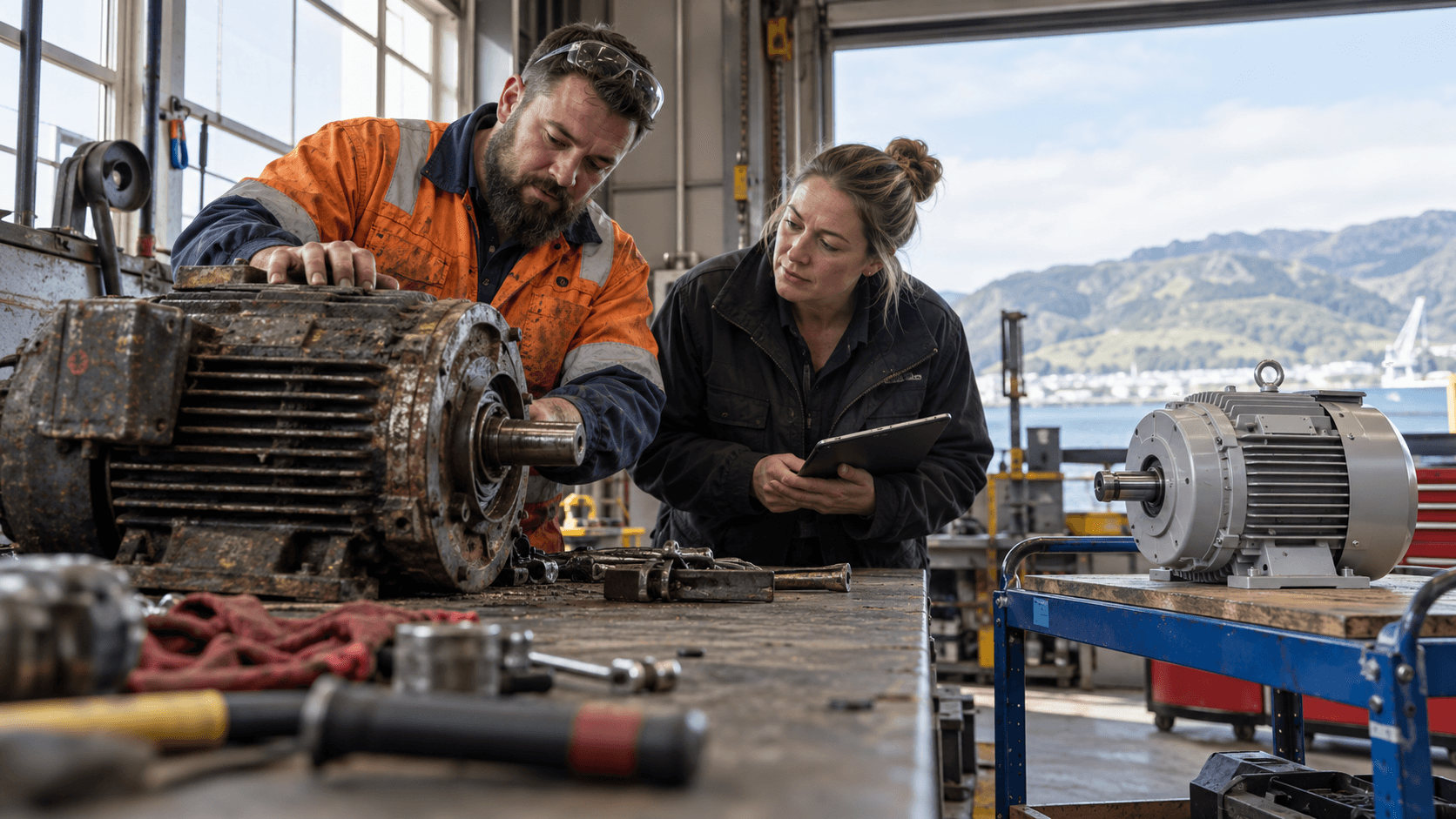
An operator asks whether an ageing machine is worth repairing. The supplier's website recommends the latest model, lists its rated capabilities and offers a quote. There's little about assessing the existing unit, finding parts or keeping production running during a change. The page has answered the supplier's sales question before establishing the operator's investment decision.
For New Zealand equipment suppliers, content marketing can make the evaluation more transparent. A buyer needs to understand what can be established before inspection, which assumptions determine cost and when a replacement makes operational sense. A credible explanation may lead to a repair, a replacement or further investigation. The content should support the result the evidence warrants.
Start with the information that changes the recommendation
Ask service and technical teams what they need to assess the equipment. Depending on the machinery, that may include model identification, operating hours, fault history and the application. Explain why the information matters so buyers can prepare an informed enquiry instead of sending an incomplete request for a price.
Distinguish a symptom from a diagnosis. Repeated stoppages can have different causes, and a description in a form doesn't establish what a technician will find. Content can explain the assessment route and common decision factors without claiming that a reader can determine safety or remaining life from a general article.
State where an inspection is necessary and who is qualified to conduct it. WorkSafe's safe use of machinery guidance treats inspections, maintenance and repair as activities requiring appropriate risk controls. A marketing comparison shouldn't encourage operators to bypass their established safety procedures to collect information for a sales enquiry.
Give the assessment a defined output where your service supports it. The buyer may receive findings, identified limits and options requiring further work. Explain any assessment charge and what remains uncertain. A promise of a definitive remote answer can create expectations the service team can't fulfil.
Compare options against the same operating requirement
Begin with the work the equipment needs to perform. A newer model may offer capabilities the operator doesn't need, while the existing unit may no longer suit the workload even after repair. Establish the required capacity and conditions before ranking the options.
Use a consistent comparison frame. For the repair route, explain the work proposed, the components covered and the assumptions about the rest of the machine. For replacement, show what is included in the proposed configuration and what must change around it. A purchase price without installation requirements gives the buyer an incomplete comparison.
Treat continued operation as a separate question for the responsible technical team. The fact that a machine can be repaired doesn't establish that it is appropriate to use in its current condition. Keep operational advice tied to the assessed equipment and authorised procedures.
Avoid implying that newer always means suitable. A replacement may require different utilities, floor space or operator preparation. Explain which dependencies are known and which require a site assessment. A buyer should be able to see when the option needs more investigation before a quotation becomes a commitment.
Make the cost assumptions inspectable
A repair estimate and a replacement quote describe different boundaries unless the supplier aligns them. Identify labour, components and transport included in each option. Explain whether the figures cover assessment and commissioning, and how taxes or other charges appear in the actual quotation.
Discuss downtime without inventing a universal cost. Ask the buyer how lost production affects their operation, what alternative capacity exists and which timing constraints matter. If you provide a calculator, make the inputs editable and show the assumptions. A default loss figure is an illustration, not evidence of that customer's economics.
Explain uncertainty in the estimate. An inspection may expose additional work, and a component order may depend on confirmed availability. Give the buyer the process for approving a changed scope. Avoid presenting a preliminary estimate with the visual authority of a final fixed offer.
Use operating-cost comparisons only where the equipment and conditions support them. State the source of performance figures and the application used for a calculation. A manufacturer's rated value doesn't establish the saving a particular installation will achieve. Let the technical reviewer preserve the conditions that affect the result.
Show what happens while equipment is unavailable
Timing can determine the decision even when the price comparison looks clear. Describe the sequence from assessment through work approval to return to service, using lead times the team can currently verify. Separate the time to obtain a part from the time required to fit and check it.
If temporary equipment, staged work or another continuity option is genuinely available, explain how suitability and availability are confirmed. Don't imply that every buyer can borrow a replacement immediately. A conditional option can still help a customer plan when the condition is visible.
For a replacement, explain removal and installation dependencies. Delivery to site isn't the same as a machine being ready for its intended operation. Buyers need to understand their own preparation work and which party arranges commissioning or training under the agreed scope.
Content marketing for New Zealand equipment businesses should put these operational details near the investment comparison. A buyer shouldn't have to request a quote merely to discover that the change requires preparation the business can't complete this month.
Explain support after the decision
A repaired machine still needs a support route. State what the repair warranty covers under the actual terms and avoid extending that assurance to unrelated components. If parts availability affects future service, describe the position the supplier can verify and how buyers can confirm it for their model.
Replacement content needs equivalent care. Explain maintenance requirements, access to documentation and how the buyer obtains support. A broad promise of ongoing assistance won't answer a facilities manager planning work across several sites.
Keep documentation available for equipment customers continue to operate, according to your publishing and support responsibilities. A discontinued sales model can still have owners who need manuals or parts information. Product status and the current support offer should be clear so an older page doesn't accidentally promise a new machine is available.
Use focused input from technical specialists to maintain the comparison. Service findings may reveal that a previously sensible repair route now depends on a scarce component. Update the buyer explanation when the evidence changes.
Make Content Marketing Earn the Equipment Assessment
Build the next step around the information the buyer needs to provide and what your team can establish. An assessment request is a stronger invitation when the operator understands its purpose, likely sequence and boundaries. Measure whether enquiries arrive better prepared and whether recommendations address the stated operating requirement.
Ask Digital Squad to structure your repair-versus-replacement content around the actual assessment. Bring the technical decision factors and approved commercial scope so buyers can evaluate their options before committing to either route.