
Reimagining growth.
Vietnam's #1 Destination and Tourism Marketing Agency for Visitor Demand.
Digital Squad connects a destination's reason to visit with practical information, experiences and booking routes that turn Vietnamese interest into planning, arrival and visitor value. Search, content, paid media and partnerships support Vietnamese and English source markets, with Hanoi, Ho Chi Minh City and seasonal access shaping the visitor journey.



Trusted by 450+ clients over 19 years across APAC





















































Destination marketing that turns travel inspiration into confident planning, meaningful visitation and measurable visitor value.
A destination is chosen through both emotion and planning confidence. Travellers need a compelling reason to visit, but they also need access, timing, itinerary, accommodation, experiences, responsible-travel information and a clear next action. Marketing should join those answers together so interest can become planning, booking, arrival and a sustained relationship with the operators and communities that deliver the experience.
Digital Squad brings 19 years of digital growth experience to destination positioning, search, AI-informed content, paid acquisition, conversion and measurement across APAC. We help tourism organisations, destination brands, hotels, resorts and operators make the value of a place discoverable while adapting the journey to the source market, season and visitor decision. The work connects inspiration with the detail that makes a trip possible. Vietnam destination campaigns connect city gateways, coast, heritage and nature experiences to Vietnamese and source-market planning, helping visitors move from inspiration to a bookable itinerary while partners see the value created.
The system can support a national or regional destination, an accommodation cluster, a tourism board or a network of local experiences. It keeps one recognisable destination story while giving each audience and partner a defined role, so the organisation can see where interest becomes itinerary engagement, booking, arrival, length of stay, operator value or repeat visitation. Reporting identifies the markets, experiences and partners turning discovery into incremental stays, spend and repeat visitation.
Framework-first thinking
We connect the emotional reason to visit with practical planning, access, itinerary, operator and booking information that turns destination interest into measurable visitor value.
Vietnam destination journeys connect an evocative reason to visit with a workable itinerary, access, season, operator information and booking options at the moment each detail matters. Campaign value is then visible through planned visits, qualified partner demand and bookable activity—not destination attention or reach alone.

Destination value and positioning
Clarify the experiences, place, community, access and reasons to visit that make the destination relevant to a particular audience. The story should give travellers something meaningful to want and enough specificity to distinguish the destination from alternatives. Strong positioning also gives operators and partners a shared basis for presenting their contribution without reducing the place to a list of attractions. It can hold the central destination promise while giving visitors a richer reason to choose a particular season, itinerary or experience. Destination and tourism teams in Hanoi, Ho Chi Minh City and growth corridors need itinerary planning and visitor conversion made visible before visitor value can progress.

Source-market visitor discovery strategy
Use search, content, social, paid media and travel partnerships around the way different visitors research and decide. Market-specific language, proof, season, platform, planning horizon and travel context can change while the destination keeps one recognisable promise. The route should meet people at inspiration, research and comparison with information they can actually use, including the practical detail that makes a destination feel possible rather than merely attractive.

Planning and booking journeys
Connect itinerary content, access, accommodation, experiences, operator pages and booking paths so visitors can move from desire to a practical decision. A strong journey answers the questions that otherwise create uncertainty and gives each partner a clear handoff. It turns destination interest into a sequence of actions rather than a final page view, helping visitors understand timing, transport, availability and what they can book next.

Visitor and partner value
Measure intent, enquiry, booking, visitation, length of stay, partner contribution and commercial impact according to the destination's role and available evidence. Reporting should show where visitors move forward and where information, timing, access or allocation is preventing progress. That gives the organisation a better basis for investment than awareness or reach alone and shows which experiences and partners are creating durable visitor value.
Move from destination insight to execution with a visitor system built around source market, experience, access and the partners who make the journey possible. Vietnam planning routes connect inspiration to itinerary detail, operator confidence and the action that turns interest into a visit.

Phase 1
Map destination, visitor and partner
We review the destination promise, priority source markets, visitor motivations, seasonality, access, experiences, operators, competitors and available evidence. We identify which audiences and experiences deserve focus before activity is scaled. We test Vietnamese-language and mobile-first signals for destination and tourism against visitor value, then give owners a clear basis for the next action.
Outcome: a priority visitor and partner opportunity map, with the first activation priorities agreed.
Phase 2
Design the inspiration-to-action journey
We connect destination content, search, paid media, social, itinerary information, operator pages and booking routes to the visitor decision. The journey gives every stage and partner a clear role without fragmenting the destination story.
Outcome: a measurable visitor journey tied to planning, booking, arrival and partner value.
Phase 3
Activate priority visitor demand
We launch focused campaigns and content for the highest-value audiences and experiences, test message and planning clarity, and read response with operators and destination owners. Early activity is judged by measurable movement toward planning or booking, not only attention.
Outcome: stronger visitor intent and clearer evidence about the experiences and audiences creating value.
Phase 4
Optimise visitation and partner value
We use visitor, booking, operator and commercial signals to refine source market, content, allocation, access information and partner roles. The learning informs the next seasonal and destination investment decision.
Outcome: a destination growth system that compounds visitor value and partner contribution over time.
Trusted by people just like you.

Anvesh Katuri
Founder at Hyperios
“From branding to execution, the team delivered clarity and strategy beyond expectations. Within 3 weeks we ranked on page one across 7 markets for competitive generative AI terms.”
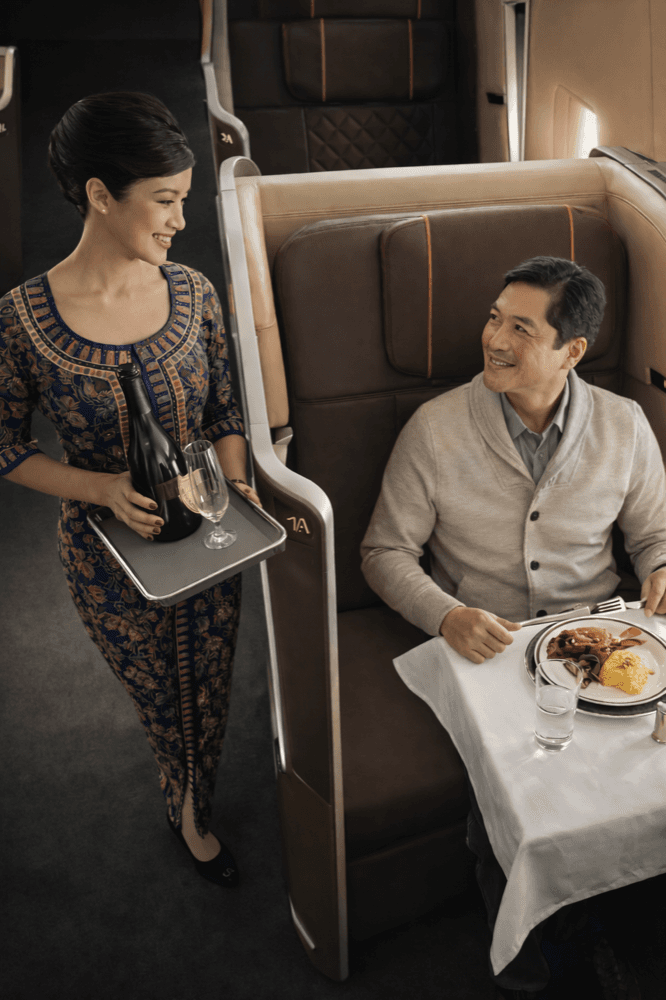
Ben Tan
KrisShop, Singapore Airlines
“After years of struggling with negative ROAS across multiple agencies, this was the first team that actually turned things around. The difference was night and day.”

Joanna Du
Head of Marketing at Cahoot
“The team brought strategic clarity we had never experienced before. Their SEO insights reshaped our entire content approach and quickly lifted visibility across our core programmes.”

Blog
Our latest insights



Contact
Request a Strategy Session
Tell us what you need to change, which markets matter and how success is measured. A senior strategist will review the brief before the first conversation.
FAQ
Frequently asked questions
Practical answers for organisations planning growth in Vietnam.
We connect the reason to visit with practical information about access, timing, itinerary, experiences, accommodation, operators and booking. Search, content, paid media, social, partnerships and mobile routes should move a Vietnamese visitor from inspiration into planning and a completed decision. Travel time from Hanoi or Ho Chi Minh City, seasonality and local-language detail can matter as much as the destination story. Reporting shows where interest becomes itinerary engagement, booking, arrival or visitor value, and where unanswered questions or weak partner handoffs reduce confidence.
Yes. Each source market can receive appropriate language, proof, platforms, seasonality, planning horizon and route to action while the destination keeps one recognisable story. Vietnamese visitors may need different mobile content, travel reassurance, payment or itinerary detail from English-speaking regional visitors. We adapt how people research and decide rather than translating a generic message, then compare the quality and value of movement across markets. The team can see whether a market needs better access information, operator detail, booking support or a more relevant reason to visit.
Visitors, trade partners, hotels, attractions and local operators each receive a defined role and handoff. We can connect inspiration and itinerary content to operator pages, booking routes, arrival information and post-visit value, making partner contribution visible rather than counting every interaction as one destination lead. In Vietnam, local partners can own access, availability, price, season and experience details while the destination team coordinates the wider story. Reporting can show where a partner needs better content, response time, inventory or shared data before demand increases.
Measures can include qualified intent, itinerary engagement, enquiries, bookings, visitation, length of stay, partner contribution, direct revenue and wider commercial value, selected according to the destination's role and evidence. Awareness is an early signal but is not the same as movement. Reporting should show where Vietnamese and English visitors progress from discovery to planning, booking, arrival or action, and whether information, timing, access or operator coordination could improve that progression. It should distinguish a promising audience from a completed decision and show which experiences create value beyond a temporary attention spike.
We adapt destination work to community context, access, season, operator responsibility, travel expectations, language and source-market behaviour while keeping public information accurate. Vietnamese work can distinguish Hanoi, Ho Chi Minh City and growth corridors, while APAC expansion adds market-specific planning routes and responsible travel detail. The regional story remains coherent, but local owners verify the experience so demand is not created around a promise partners cannot deliver. Teams compare bookings, arrivals and visitor value across markets.
AI can accelerate audience research, Vietnamese and English search analysis, content planning, partner insight, itinerary-question clustering and performance reporting. People remain responsible for access, availability, community context, partner commitments, seasonal conditions, responsible travel information and public expectations. Human review is essential when a model summarises changing travel details or local experience. Used within those boundaries, AI helps teams see patterns and create decision-grade content faster; a named owner verifies any detail that could change a visitor's route, timing or confidence.
The first cycle identifies priority audiences, experiences, source markets and partners, then audits discovery, planning, booking and arrival routes. We improve high-value Vietnamese and English information and activate focused search, content, paid, social, operator and partner work around the season. By day 90, the team should know which audiences create movement, where a partner handoff weakens confidence, which mobile signals support visitor value and what decision should guide the next period. Owners and measures are agreed before the cycle closes.