
Reimagining growth.
Malaysia's #1 Hospitality and Hotels Marketing Agency for Direct Booking Growth.
Malaysia’s hotels and hospitality operators can grow direct demand when destination desire is connected to property proof, availability, booking and repeat value. We join positioning, search, paid media, content, conversion and lifecycle communication around the property’s economics.



Trusted by 450+ clients over 19 years across APAC





















































Hospitality marketing that earns discovery and turns more of it into direct guest demand and value.
Hospitality buyers compare more than a room. They weigh location, experience, trust, price, availability, reviews, brand and the friction of booking, so marketing should make the right reasons to choose visible while creating a direct path from inspiration and research to action. The decision also depends on details that make a stay easy to imagine: room context, access, neighbourhood, service, inclusions, cancellation and the confidence of booking direct.
Digital Squad brings 19 years of digital growth experience to hotel and hospitality positioning, search, paid acquisition, content, conversion and guest lifecycle work. We connect brand desire with clear booking journeys, destination discovery and the performance measures that matter to the property. The work helps brand, revenue, guest-experience and source-market teams carry the promise made in discovery through to the point of reservation. In Kuala Lumpur, Penang and Johor Bahru, hospitality and hotel decisions depend on source-market discovery and direct-booking confidence before the next commercial step. We make those choices explicit so source market, availability, direct booking and guest value stay visible.
The system can support a single property, a group, a lifestyle brand or a hospitality concept expanding across markets. It adapts to the audience, season, source market and booking objective rather than treating every traveller as the same. That creates a clearer basis for deciding which guests, seasons, experiences and channels deserve investment when occupancy and direct value are moving differently. Malaysian hospitality programmes connect domestic and regional source-market demand to property-level offers, direct-booking paths and reservation-team follow-up.
Framework-first thinking
We connect destination appeal, guest confidence, direct demand, booking experience and revenue so hotel growth strengthens performance without losing the character of the stay.
Malaysia hospitality marketing connects destination appeal with practical confidence in location, rooms, inclusions, access and the direct-booking decision. Source-market and language evidence across Kuala Lumpur, Penang and Johor Bahru shapes the journey, while properties measure suitable traffic, booking value and the guest context reservations teams need.
Guest experience-led hospitality positioning
Clarify the guest, occasion, place and experience that make the property worth choosing beyond a room comparison. Make the occasion, destination, service character and practical value specific enough for a guest to choose the property with confidence and understand what makes the stay different from the alternatives in the same search. Hospitality and hotels teams in Kuala Lumpur, Penang and Johor Bahru need source-market discovery and direct-booking confidence made visible before booking revenue can progress.

Discovery across source markets
Use search, content, social, paid media and destination relevance to reach travellers at the moments they research and compare. Answer the planning questions around arrival, neighbourhood, rooms, experiences, access and expectations at the moment they matter, with market-specific context that reflects how guests actually plan a stay.

Direct booking conversion
Improve message match, landing paths, offers, trust, availability context and booking handoff so demand is not unnecessarily lost to intermediaries. Give direct booking, offer presentation, availability, reassurance and post-booking communication a connected role in the guest relationship, from the first property search to the confirmation and return visit.

Guest value and commercial learning
Connect acquisition and lifecycle performance to bookings, occupancy, revenue, repeat value and source-market quality. Compare direct share, occupancy, revenue, acquisition efficiency, guest experience and repeat behaviour so optimisation supports the property and its long-term relationship with guests rather than cheap volume alone.
Move from guest and source-market insight to execution with a direct-demand system that improves discovery, booking, revenue and the experience that brings the right guest back. The hospitality and hotels route in Kuala Lumpur, Penang and Johor Bahru keeps source-market discovery and direct-booking confidence visible from local discovery to booking revenue.

Phase 1
Understand property, guest and source market
We map the experience, audience, destination, seasonality, competitors, booking path, commercial targets and current demand mix. We identify guest occasions, source-market priorities, seasonal pressure, property proof, booking friction and the role direct demand should play. We test multilingual and city-level signals for hospitality and hotels against booking revenue, then give owners a clear basis for the next action.
Outcome: a practical guest and source-market opportunity map, with the first activation priorities agreed.
Phase 2
Design the discovery and booking journey
We connect destination content, search, paid media, social, landing paths, offers and booking experience to the guest decision. The journey joins inspiration, planning, comparison, offer, reservation and post-booking communication without losing the property's character or commercial clarity.
Outcome: a direct-demand blueprint tied to booking and revenue goals, with ownership and measures defined.
Phase 3
Activate high-value guest demand
We launch priority campaigns and content, improve the conversion path and read response by audience, property and source market. Demand is evaluated against booking quality, direct value, occupancy and the guest response behind conversion, not just attention at the top of the funnel.
Outcome: more qualified demand and clearer direct-booking learning tied to the commercial outcome.
Phase 4
Optimise revenue and guest value
We compare acquisition, booking, occupancy, revenue and repeat signals, then refine the work around the experiences and audiences that perform. Revenue, guest and source-market evidence informs the property story, allocation, booking experience and next investment decision.
Outcome: a hospitality growth engine that grows direct value and guest quality over time.
Trusted by people just like you.

Anvesh Katuri
Founder at Hyperios
“From branding to execution, the team delivered clarity and strategy beyond expectations. Within 3 weeks we ranked on page one across 7 markets for competitive generative AI terms.”
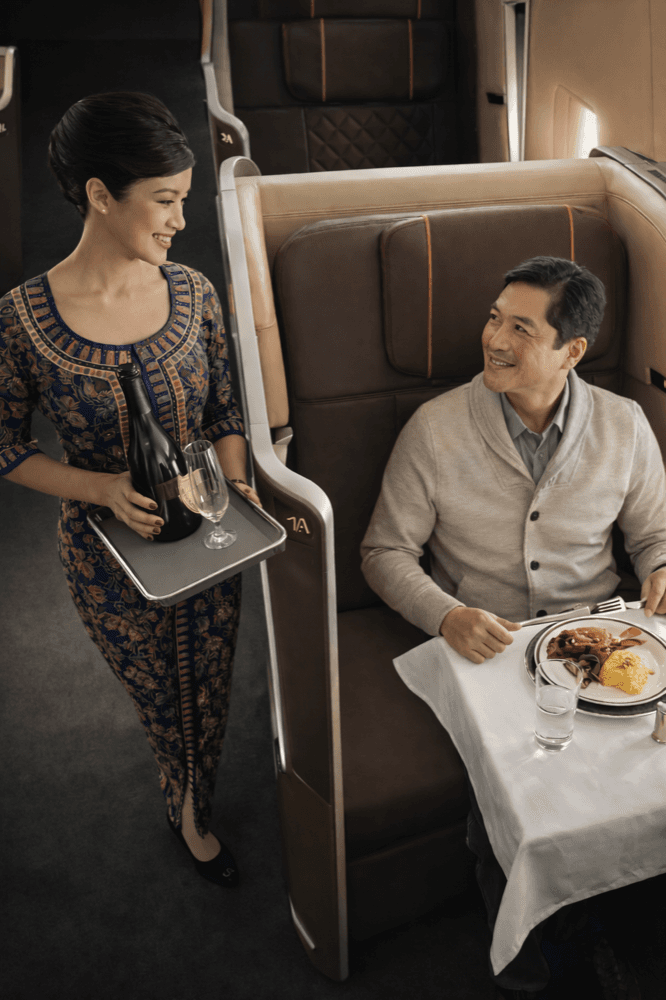
Ben Tan
KrisShop, Singapore Airlines
“After years of struggling with negative ROAS across multiple agencies, this was the first team that actually turned things around. The difference was night and day.”

Joanna Du
Head of Marketing at Cahoot
“The team brought strategic clarity we had never experienced before. Their SEO insights reshaped our entire content approach and quickly lifted visibility across our core programmes.”

Blog
Our latest insights



Contact
Request a Strategy Session
Tell us what you need to change, which markets matter and how success is measured. A senior strategist will review the brief before the first conversation.
FAQ
Frequently asked questions
Practical answers for organisations planning growth in Malaysia.
We examine property promise, source markets, booking path, rate or offer logic, search visibility, paid media and reasons guests leave for another route. Improvements may span content, landing experience, campaigns, CRM or measurement. For a Malaysian hotel, the route can differ between domestic weekend demand, business travel in Kuala Lumpur, leisure around Penang or Johor, and regional visitors comparing destinations. We connect local-language and English content, mobile booking, direct-value messaging, partner or marketplace learning and post-stay data, then judge progress through booking quality and contribution rather than room-night volume alone.
Yes. An independent property may need positioning and demand capture; a group may need brand, portfolio, governance and property-level conversion together. The operating model follows assets, booking systems, teams and source markets. A Malaysian independent hotel may need a clearer local and regional proposition, while a group may need shared brand rules with property-specific pages, languages, offers and booking paths. We can align marketing, revenue, CRM and property teams around the evidence each property can act on without flattening differences in location, guest mix, inventory, season or direct-booking role.
We identify traveller, trip purpose, season, destination question and booking route before selecting language or channel. Domestic demand may be mobile and social-led, while regional visitors may need English or partner distribution. Malaysian campaigns can distinguish Kuala Lumpur business travel, Penang leisure, Johor cross-border demand and national holiday or event patterns, then adapt Bahasa Malaysia, English, Chinese or other creative where the journey requires it. Search, paid social, video, CRM, metasearch, partners and owned booking each receive a role, with source-market performance kept visible.
Measures can include qualified searches, direct booking conversion, revenue, contribution, repeat value, enquiry quality and source-market performance. Occupancy or reach provides context but not the whole commercial outcome. Reporting can separate property, market, language, device, trip purpose, channel and booking route, then show the effect of promotions, commission or repeat value where data is available. A direct booking is assessed alongside margin and guest quality, while awareness and engagement help explain future demand. The scorecard should support rate, budget, content and source-market decisions rather than reward traffic that cannot convert.
Yes. Reporting and learning align across properties or markets while destination story, language, seasonality, channel and partner mix adapt. Malaysia may be a source market, destination or both. A group can share audience and measurement definitions across APAC while local teams adapt destination proof, property detail, English or Bahasa Malaysia content, partner routes and booking expectations. We keep Malaysian property and source-market performance visible within the regional portfolio so a strong local opportunity or a weak local booking path is not hidden inside a blended average.
AI can analyse demand themes, search behaviour, audience segments and creative performance, and support controlled content or lifecycle workflows. It can help compare domestic and regional questions, identify where guests abandon planning or suggest message and audience tests, but people remain responsible for rate, availability, destination and experience claims. Hotel, revenue and content owners should review local details, language, promotions, imagery and partner information before publication. AI supports pattern-finding and controlled workflows; it should not invent inventory, amenities, reviews or a guest experience a property cannot deliver.
We review property or portfolio, source markets, booking path, search, paid performance, content, CRM and measurement. The roadmap prioritises changes likely to improve direct demand and establishes booking-quality evidence. The first 90 days can clarify property and source-market priorities, improve priority destination and room pages, test direct-value messaging, repair tracking or booking friction, and establish reporting by market, language and route. A Malaysian team should see which audiences and offers create qualified planning or bookings, where guests leave for another channel and what deserves the next content, media or CRM investment.