
Reimagining growth.
Auckland's #1 Luxury Marketing Agency for Premium Demand.
We help luxury brands create qualified desire and high-value relationships without diluting scarcity, craft or trust. Positioning, premium content, selective media and experience design are tailored to New Zealand's discerning audiences and the regional markets a brand can genuinely serve, with reputation and commercial value measured together.



Trusted by 450+ clients over 19 years





















































Luxury marketing that protects brand value while creating measurable, high-value customer demand and relationships.
Luxury marketing demands a different standard: precision over volume, positioning over promotion, and brand integrity over short-term conversion. Customers assess provenance, design, service, confidence, context and the quality of every touchpoint before they transact. Marketing should make the reason to desire clear while preserving restraint, visual discipline and the feeling that the brand understands the occasion and the person considering it. That standard applies equally to the audience signal, the environment, the message, the booking or purchase route and the service that follows the first response.
Digital Squad brings 19 years of digital growth experience to luxury property, hospitality, retail, fashion, automotive, jewellery, travel and premium service brands across APAC. We connect audience intelligence, premium creative, search, selective paid media, content, conversion and customer-value measurement without reducing a prestige positioning to cheap reach. The work keeps performance accountable to the experience and brand standards that create long-term value. For luxury audiences in Auckland, Wellington and Christchurch, we protect provenance and service standards while using considered discovery, appointment journeys and clienteling signals to convert interest into an informed, high-value relationship.
The system can support a flagship brand, a boutique premium experience or a luxury B2B offer. It adapts to category, audience, market and occasion while protecting provenance, tone, visual quality, service expectation and customer pace. That creates a commercial basis for deciding which attention is valuable, which customer journeys deserve investment and where performance activity risks weakening the brand.
Framework-first thinking
We connect desirability, provenance, occasion, service value and selective distribution so luxury brands create measurable demand without sacrificing scarcity or customer experience.
Luxury growth requires restraint, relevance and an experience worth returning to. We connect provenance, premium content, selective media, appointment or booking journeys and customer value so New Zealand brands can build qualified desire without trading away scarcity, service standards or trust.
Desire and brand positioning
Define the audience, provenance, occasion, customer value and reason to choose before selecting the channel or message. The position should make desirability specific while protecting the distinctions that justify the premium. It gives creative, media, sales and service teams a shared standard for expressing why the offer matters without relying on discount or manufactured urgency. That shared standard keeps every commercial touchpoint connected to the quality the customer expects from the physical brand environment.

Selective premium audience intelligence
Use first-party insight, search behaviour, premium environments, cultural context and carefully chosen audience signals to find customers who can value the offer. Quality matters more than broad reach, and context matters as much as targeting. The system should identify where a customer is exploring, what proof they need and which touchpoint can invite the next step without making the brand feel overexposed or disconnected from its service standard.

Premium experience and conversion
Design content, landing paths, appointment, booking and purchase experiences that reflect the brand's visual and service standards. The customer should have room to understand provenance, craftsmanship, experience, access and value without being pushed through a generic funnel. Conversion is part of the experience, so its pace, language, placement and handoff deserve the same judgement as the creative. A considered route gives the customer confidence to act while preserving the sense of quality and control that makes the offer premium.

Brand and customer value
Separate qualified reach, consideration, high-intent visits, appointment, purchase, revenue, repeat value and customer quality. This shows whether activity is creating the kind of desire and relationship the brand wants, rather than merely producing impressions or inexpensive clicks. Reporting protects both commercial accountability and the long-term brand value that makes future performance possible, helping leaders distinguish profitable demand from attention that weakens the customer experience.
Move from luxury insight to execution with a premium growth system built around desirability, customer context, experience quality and value worth protecting.

Phase 1
Map audience, offer and brand standard
We review the offer, provenance, audience, occasion, customer journey, category, competitors, environments, proof and commercial ambition. We establish which customer opportunities and experiences deserve focus before distribution is widened.
Outcome: a clear audience, offer and brand opportunity map, with the first commercial priorities agreed.
Phase 2
Design the premium customer journey
We connect positioning, content, search, selective media, creative standards, appointment or booking paths and customer data to the decision. The journey gives each touchpoint a role while preserving brand pace, context and restraint.
Outcome: a premium growth blueprint tied to qualified demand and customer value.
Phase 3
Activate selective high-value demand
We launch priority creative and campaigns, test message and audience quality, and improve the route from attention to confidence, appointment, booking or purchase. Response is read in the context of the customer and occasion rather than volume alone.
Outcome: stronger qualified demand and clearer evidence about the attention worth earning.
Phase 4
Optimise customer and brand value
We compare reach, consideration, conversion, revenue, repeat and customer-quality signals, then refine audience, experience, distribution and investment. The learning informs future growth without sacrificing the standards that create desirability.
Outcome: a luxury growth system that compounds customer value while protecting brand equity.
Trusted by people just like you.

Anvesh Katuri
Founder at Hyperios
“From branding to execution, the team delivered clarity and strategy beyond expectations. Within 3 weeks we ranked on page one across 7 markets for competitive generative AI terms.”
Ben Tan
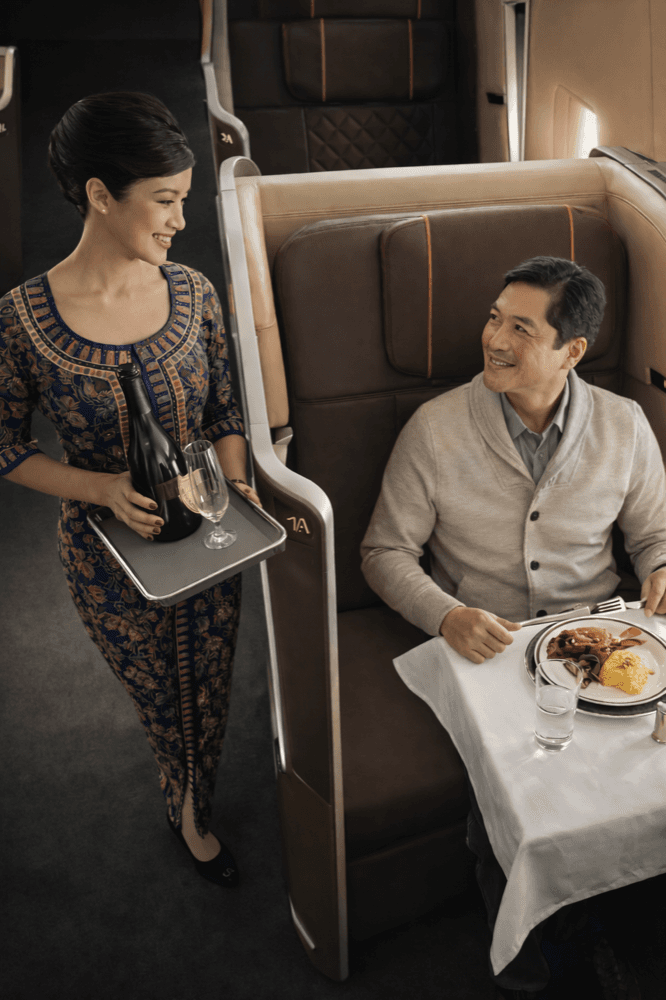
KrisShop, Singapore Airlines
“After years of struggling with negative ROAS across multiple agencies, this was the first team that actually turned things around. The difference was night and day.”

Joanna Du
Head of Marketing at Cahoot
“The team brought strategic clarity we had never experienced before. Their SEO insights reshaped our entire content approach and quickly lifted visibility across our core programmes.”

Blog
Our latest insights



Contact
Request a Strategy Session
Tell us what you need to change, which markets matter and how success is measured. A senior strategist will review the brief before the first conversation.
FAQ
Frequently asked questions
Practical answers for organisations planning growth in New Zealand.
Begin with desirability, provenance, occasion, service value and the audience that should feel invited, then choose distribution that can carry those qualities. Precision matters more than volume: overexposure, discount-led urgency or careless creative can weaken the brand long after a campaign ends. We connect selective discovery to a considered appointment, booking or purchase route. For New Zealand premium audiences, local trust and direct service should feel as intentional as the visual and physical brand experience.
Yes, with the customer journey adapted to the category. A hotel may need direct reservation and experience confidence; a property brand may need qualified appointments; a retailer, automotive or jewellery brand may need provenance, product detail and a high-value purchase conversation. The shared discipline is restraint, proof, service, pace and customer value, not a generic funnel. We keep each offer’s audience, occasion and evidence specific while connecting discovery to a commercially clear next action that feels considered rather than forced.
Separate qualified reach, consideration, high-intent visits, appointment or booking requests, purchases, revenue, repeat value and customer quality. A small number of well-matched conversations may be more valuable than a large response that damages fit or service capacity. Reporting should therefore balance brand and experience signals with acquisition efficiency and commercial movement, showing which audience, occasion, message and touchpoint creates value worth protecting over time.
Yes, provided the central world, provenance, visual standard and service expectation remain recognisable while language, cultural cues, platform, proof, occasion and follow-up adapt by market. New Zealand premium customers may value local relationships and appointment access differently from an overseas audience. We make those distinctions explicit without adding mechanical localisation, so regional growth expands appropriate desirability and confidence instead of flattening the experience into a global template.
AI can support audience intelligence, search and content analysis, reporting, personalisation research and the organisation of first-party data. It should not decide taste, provenance, product truth, cultural nuance, privacy or the final customer-facing asset. Senior reviewers protect restraint and relevance before variation or automation is released. Used carefully, AI helps a New Zealand team analyse demand faster while human judgement keeps frequency, language and service aligned with the brand's standards.
The opening cycle should define the audience and occasion opportunity, agree the experience and creative standard, audit the premium journey, establish measures and activate selective demand. We review positioning, search, placements, content and appointment or booking routes with customer quality in view. By review, the team should know which New Zealand audiences and touchpoints create qualified desirability, where the experience loses confidence, who owns the next response and whether an APAC opportunity can be pursued without sacrificing restraint.