Reimagining growth.
Auckland's #1 Marketing Automation Agency for Lifecycle Growth.
New Zealand teams can use marketing automation to turn scattered customer signals into timely, accountable action. We map lifecycle stages, data, scoring, CRM handoffs and human exceptions so lean sales and service teams know which response matters now, while selected APAC journeys remain connected without erasing Kiwi context.


Trusted by 450+ clients over 19 years





















































One of New Zealand's Leading Marketing Automation Agencies — AI-Enabled Systems That Replace Guesswork With Revenue.
Digital Squad builds marketing automation systems that connect your CRM, paid channels, and content strategy into a single intelligent revenue engine.
Marketing automation in New Zealand should improve the relevance and timeliness of customer communication while giving sales and service teams better context. We connect CRM data, consent, lifecycle design, lead or customer signals, content, integrations and reporting, turning repetitive handoffs into a measurable journey rather than a larger collection of automated emails.
Our marketing automation strategies are engineered to qualify leads faster, nurture prospects intelligently, and attribute revenue accurately — giving your sales team better conversations and your business clearer ROI. From CRM integration to multi-stage nurture sequences and pipeline dashboards, we design scalable automation ecosystems that turn isolated campaigns into a connected, continuously optimising revenue machine.
Framework-first thinking
We connect lifecycle logic, data quality, segmentation, content, CRM ownership and human follow-up so automation improves customer progression, sales velocity and revenue.
Our New Zealand automation framework begins with the customer lifecycle and the decisions each team needs to make. Data quality, segmentation, consent, scoring, triggers, content, CRM ownership and exception handling are designed together. The system supports Kiwi customers with useful communication and gives the business a clearer path from enquiry to revenue and retention.
Revenue Operations Architecture
Marketing automation isn't just email workflows—it's complete revenue infrastructure. We design systems that connect marketing, sales, and customer success into one unified operation. Our frameworks include lead routing automation, opportunity tracking, pipeline reporting, and closed-loop attribution that demonstrates marketing's revenue contribution.

Intelligent Lead Scoring & Routing
We build predictive lead scoring models using demographic data, behavioural signals, and engagement patterns to identify sales-ready prospects. Our scoring frameworks integrate with CRM systems to trigger automatic lead routing, sales notifications, and personalised follow-up sequences—ensuring high-intent leads receive immediate attention whilst nurturing early-stage prospects.

Strategic Nurture Frameworks
Effective nurture sequences guide prospects through buyer journeys with relevant content at each stage. We design multi-touch nurture campaigns spanning email, SMS, retargeting, and sales outreach—personalised by industry, company size, role, and engagement history. Our frameworks reduce sales cycle length and increase conversion rates through systematic relationship building.

Platform Integration & Data Intelligence
Homegrown in Ponsonby, Auckland since 2007, we understand the practical needs of New Zealand teams operating with finite data, content and sales capacity. We build automation that works across New Zealand without overengineering, while regional integrations and reporting remain available for organisations connecting Kiwi growth to APAC.
We build lifecycle systems that help demand in New Zealand progress with timely, relevant action, connecting automation to conversion and retention.

Phase 1
Process Audit & Platform Assessment
We map the New Zealand customer lifecycle, current CRM and marketing platforms, consent, data quality, lead stages, content, handoffs and reporting. The review identifies where automation can remove friction or improve response, and which integration, governance and ownership gaps must be resolved first.
Outcome: Comprehensive automation strategy with platform recommendations and implementation roadmap.
Phase 2
Platform Configuration & Integration
We configure your marketing automation platform, build audience segments, design scoring models, and integrate with CRM and marketing systems, then design the lifecycle architecture, audience rules, content paths, ownership and measurement around the commercial journey.
Outcome: Fully configured automation infrastructure ready for campaign deployment.
Phase 3
Campaign Development & Deployment
We design and launch nurture sequences, lifecycle campaigns, and automated workflows—implementing personalised messaging across email, SMS, and other channels, then build and test the priority journeys with clear consent, fallback, routing and human escalation rules.
Outcome: Active automation campaigns nurturing leads and accelerating pipeline progression.
Phase 4
Optimisation & Performance Reporting
We monitor deliverability, engagement, progression, sales acceptance, conversion, retention and exceptions. New Zealand customer and team feedback helps refine timing, scoring, content and routing, ensuring automation improves the journey rather than creating noise or hiding a broken process.
Outcome: Sustained improvement in lead quality, sales velocity, and marketing-attributed revenue.
Trusted by people just like you.

Anvesh Katuri
Founder at Hyperios
“From branding to execution, the team delivered clarity and strategy beyond expectations. Within 3 weeks we ranked on page one across 7 markets for competitive generative AI terms.”
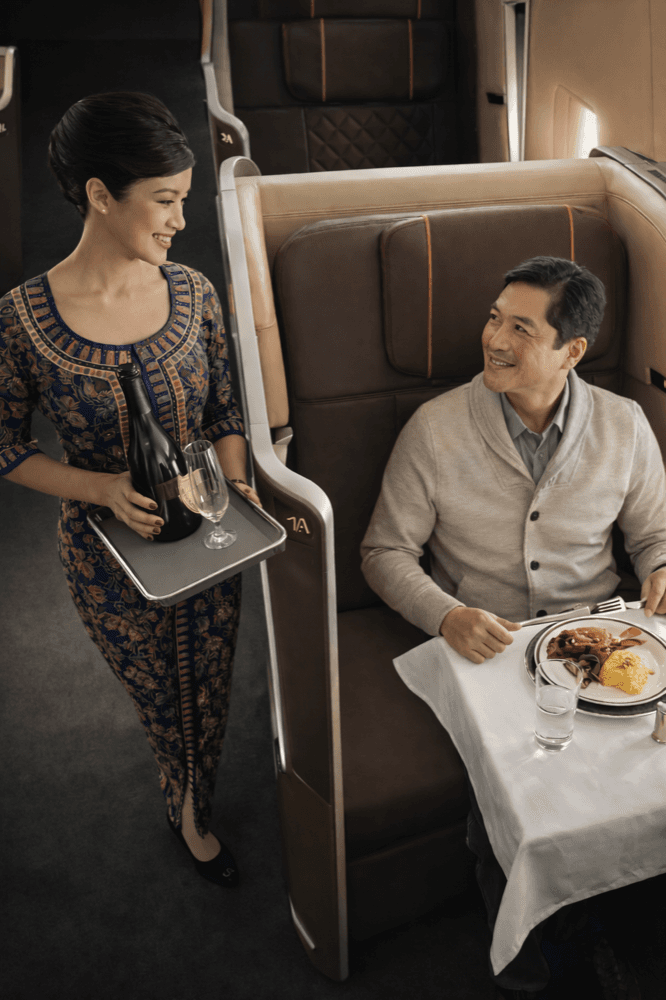
Ben Tan
KrisShop, Singapore Airlines
“After years of struggling with negative ROAS across multiple agencies, this was the first team that actually turned things around. The difference was night and day.”

Joanna Du
Head of Marketing at Cahoot
“The team brought strategic clarity we had never experienced before. Their SEO insights reshaped our entire content approach and quickly lifted visibility across our core programmes.”

Blog
Our latest insights



Contact
Request a Strategy Session
Tell us what you need to change, which markets matter and how success is measured. A senior strategist will review the brief before the first conversation.
FAQ
Frequently asked questions
Practical answers for organisations planning growth in New Zealand.
Automation can capture and route enquiries, trigger relevant nurture, score fit and behaviour, enrich CRM records, alert sales, re-engage dormant contacts and support post-conversion journeys. It carries out agreed rules consistently, while positioning, content, judgement and human response remain important to a New Zealand buyer. We prioritise tasks where timing, consistency or visibility is currently costing the team opportunities, then define the exception path for contacts who need a considered human response.
We can work with HubSpot, Marketo, Pardot, ActiveCampaign, Klaviyo and the CRM or data tools already in an organisation. The recommendation follows lifecycle complexity, deal value, sales capacity, consent, data quality, integrations and budget rather than brand preference. A lean New Zealand team needs a stack it can operate, explain and improve, with regional connections considered where they are genuinely required. We also look at migration effort, reporting ownership and the practical skills available after launch, not just what a platform can do in a demonstration.
A sound model combines fit, such as role, sector, company and account priority, with behaviour such as key-page visits, content engagement, event response and meaningful form completion. Agreed thresholds route a contact with context to sales, while lower-intent contacts receive relevant nurture. We calibrate the model against real New Zealand progression and revise it when the buying journey or offer changes. The score should support a timely decision, not pretend to know intent perfectly, so sales feedback and rejected leads remain part of the improvement cycle.
A first lifecycle path can be scoped after we understand CRM structure, consent, data quality, content, integrations and owners. More complex scoring, nurture and workflow dependencies take longer. We separate a usable first release from the wider roadmap, with testing and fallback rules, so a New Zealand team can learn from a live journey before expanding into additional segments or APAC handoffs. The initial release also makes the response owner, success measure and point of review explicit.
We define lifecycle stages, fields, routing, alerts, context and response expectations so marketing activity is visible in sales records and CRM evidence can improve segmentation. Sales feedback then informs scoring and nurture. Shared reporting shows whether an automated handoff received a timely response and became a conversation, opportunity or customer, rather than treating a notification as the outcome. It also exposes where consent, data quality or owner capacity is preventing a promising journey from progressing.
Before build, we agree measures such as response time, qualified-lead cost, stage progression, nurture-assisted opportunity, sales capacity, retention and revenue contribution. Reporting separates delivery activity from commercial value and includes exceptions such as unsubscribes or poor data. New Zealand leadership can then see whether automation is improving the decisions and handoffs it was meant to improve, alongside any regional reporting view.
Onboarding maps the customer lifecycle, commercial objective, CRM, consent, data quality, current handoffs, content and team capacity. We agree the first journeys, integration requirements, owners, test cases and measures before build. The structure keeps Auckland, Wellington or national activity clear while making any APAC sales, service or reporting dependency explicit, so the system can grow without obscuring who is accountable.